
How Bed Bugs Spread
If you're concerned about how bed bugs spread, local service providers can help with effective fumigation to eliminate infestations and prevent further spread.
Understanding how bed bugs spread is essential for property owners who want to prevent infestations or address existing ones effectively. Bed bugs are notorious for hitchhiking on luggage, clothing, and furniture, making it easy for them to move from one location to another. Knowing the common ways these pests travel can help homeowners and business owners implement practical measures to reduce the risk of a bed bug problem taking hold. Local service providers who specialize in bedbug fumigation are well-equipped to assist with inspection and treatment, helping to eliminate these pests once they’ve found their way inside.
For property owners in the area, exploring how bed bugs spread can also highlight the importance of early detection and proactive pest management. Whether dealing with a recent sighting or seeking to prevent an introduction, understanding the pathways of bed bug movement can guide decisions about cleaning routines, travel habits, and furniture placement. When it comes to eradicating bed bugs, local contractors who offer fumigation services can provide targeted solutions to ensure any infestation is thoroughly addressed, giving peace of mind and a pest-free environment.
- Bedbug Fumigation - needed when bed bugs are suspected to have spread through infested bedding or furniture, and local contractors use targeted treatments to eliminate the pests.
- Infestation Inspection - required when signs of bed bug movement are noticed, with service providers assessing how bed bugs spread within a home or building.
- Clutter Removal and Treatment - necessary if clutter is aiding bed bug movement, with local experts clearing and treating affected areas to prevent further spread.
- Furniture and Mattress Treatment - needed when bed bugs have spread via infested furniture, with pros applying fumigation or heat methods to eradicate pests.
- Apartment and Multi-unit Fumigation - essential when bed bugs spread between units, with local contractors implementing comprehensive treatments to stop their movement.


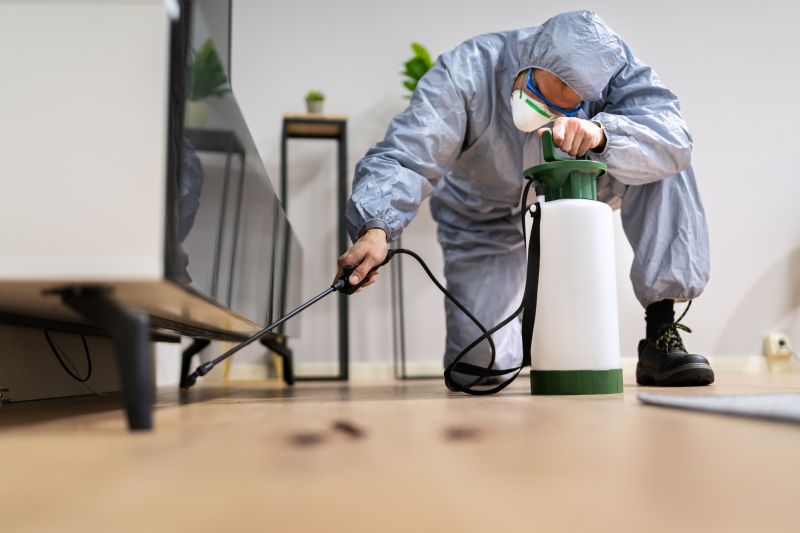
When people search for how bed bugs spread, they often want to understand how these pests move from one place to another and what factors contribute to their proliferation. This concern typically arises after discovering an infestation and seeking to prevent it from spreading further or reappearing. Homeowners may be worried about how bed bugs travel between rooms or different properties, especially if they have recently brought new items into their homes or traveled. Understanding the mechanisms of bed bug movement helps individuals grasp the importance of professional treatment and preventative measures to control the problem effectively.
The topic of how bed bugs spread is closely linked to problems such as ongoing infestations, repeated re-infestations, and the challenges of eradication. Many property owners are planning to eliminate bed bugs and want to know how these pests can invade new areas within a home or neighboring units. This knowledge is essential for devising effective treatment strategies, which often involve coordinated efforts by local service providers. Whether dealing with a single-family home, apartment complex, or multi-unit building, understanding the ways bed bugs spread can inform decisions about pest management and help prevent future issues.
Properties most commonly affected by bed bugs include residential homes, apartments, hotels, and dormitories. These environments are particularly vulnerable because they involve close quarters and frequent movement of people and belongings. Bed bugs can hitch a ride on luggage, clothing, furniture, and even personal belongings, making it easy for them to transfer from one location to another. When seeking treatment, property owners often work with local contractors who specialize in bed bug fumigation, as these professionals understand how infestations spread within different types of properties and can implement targeted solutions to break the cycle of infestation.
Understanding how bed bugs spread is crucial for homeowners planning to address an infestation and prevent future problems. Bed bugs are notorious for their ability to hide in tiny cracks and crevices, making professional treatment essential for thorough eradication. Local pest control service providers can assess the property, identify potential pathways of spread, and apply effective fumigation methods. By working with experienced local contractors, property owners can better understand the factors that contribute to bed bug movement and take proactive steps to protect their homes and belongings from future infestations.
Pest Inspection Projects - These projects involve thorough inspections to identify the presence and spread of pests, including bed bugs, helping homeowners understand how infestations can occur and spread.
Extermination Planning Services - Planning for pest removal requires understanding how pests like bed bugs spread within structures, enabling local contractors to develop effective treatment strategies.
Property Damage Assessment Projects - Assessing damage caused by pests helps illustrate how bed bugs can spread through infested furniture, bedding, and belongings, guiding treatment approaches.
Home Sanitation and Cleaning Services - Proper cleaning and sanitation projects assist in reducing bed bug spread by removing harborages and preventing re-infestation, with local pros providing expert guidance.
Furniture and Clutter Removal Projects - Removing infested furniture and clutter is critical in controlling bed bug spread, and local service providers can facilitate safe disposal or treatment.
Educational Workshops on Pest Prevention - These projects educate homeowners on how bed bugs spread and how to prevent future infestations, often coordinated by local pest control experts.

When evaluating local contractors for bedbug fumigation services, it’s important to consider their experience with similar projects. Homeowners should inquire about how many bedbug infestations they have handled and whether they are familiar with the common ways these pests spread. An experienced service provider will understand the typical scenarios that lead to bedbug infestations and can offer insights into how bed bugs spread within different environments. This background helps ensure that the contractor is well-equipped to identify the root causes of an infestation and recommend appropriate treatment strategies.
Clear written expectations are essential when selecting a service provider for bedbug fumigation. Homeowners should seek detailed information about the scope of work, the methods used, and what the treatment process will entail. A reputable contractor will provide a comprehensive outline of the steps involved and explain how they address the ways bed bugs spread, such as through infested furniture, luggage, or shared spaces. Having this clarity helps prevent misunderstandings and ensures that homeowners are fully aware of what to expect, making it easier to compare different providers based on the thoroughness and transparency of their proposals.
Reputable references and strong communication are key factors when choosing local contractors for bedbug treatments. Homeowners are encouraged to ask for references or reviews from previous clients who had similar infestations, especially those involving complex spread scenarios. Good communication throughout the process is equally important; service providers should be responsive, willing to answer questions, and able to clearly explain how they will tackle the spread of bed bugs in specific situations. These qualities help build confidence that the contractor understands the challenges of bedbug infestations and will work diligently to address them effectively.
Property owners often search for how bed bugs spread when they are planning practical projects around their homes and businesses. Local pros provide Bedbug Fumigation services for everyday jobs and straightforward project options.
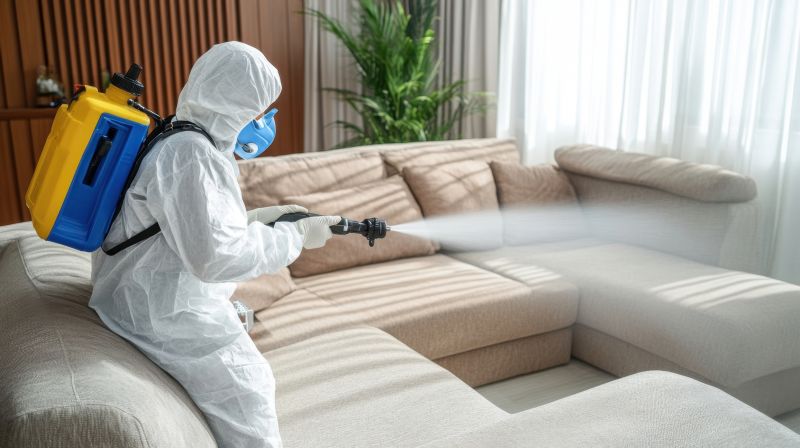
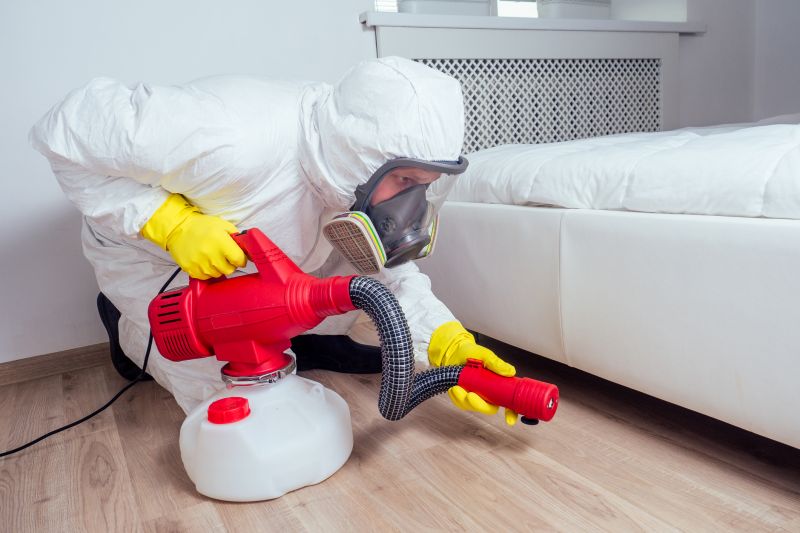
Understanding how bed bugs spread can help property owners identify potential sources of infestation and take proactive steps to prevent them. Common situations such as traveling and staying in hotels, visiting friends or relatives, or bringing secondhand furniture into a home are typical ways these pests can hitch a ride. Additionally, shared laundry facilities, public transportation, and even visiting crowded places like movie theaters or shopping centers can contribute to the spread. Because bed bugs are expert at hiding and attaching themselves to belongings, many property owners seek out bedbug fumigation services from local contractors to effectively eliminate these pests and protect their living spaces.
Property owners in the local area often look into bedbug fumigation when they notice signs of an infestation or want to prevent one from developing. Bed bugs can easily transfer through luggage, clothing, and personal items, making it important to address the issue promptly. Local service providers are experienced in handling infestations caused by everyday activities and common sources of spreading. Whether dealing with a recent sighting or seeking preventative measures, property owners can connect with local pros who specialize in bedbug fumigation to ensure thorough treatment and peace of mind.
How do bed bugs typically spread between locations? Bed bugs often spread through infested furniture, luggage, clothing, or personal belongings that are moved from one place to another, allowing them to establish new areas.
Can bed bugs spread via shared walls or plumbing? While bed bugs primarily move by hitchhiking, they can also spread through cracks, crevices, and shared infrastructure like plumbing or electrical wiring that connects units in multi-family buildings.
Are bed bugs able to spread on public transportation? Yes, bed bugs can be transported on buses, trains, or taxis when infested items or personal belongings are brought onboard, which can lead to new infestations.
How do clothing and luggage contribute to bed bug spread? Clothing and luggage are common vectors, as bed bugs latch onto fabric and can be transported unknowingly during travel or visits, spreading to new environments.
What role do furniture and second-hand items play in spreading bed bugs? Used furniture or items purchased from second-hand stores can harbor bed bugs, and bringing them into a home can lead to an infestation if not properly treated by local service providers.
Identifying common entry points - property owners can inspect and seal gaps around windows, doors, and baseboards to prevent bed bugs from entering or spreading within the property with help from local contractors.
Managing secondhand furniture - removing or thoroughly inspecting used furniture before bringing it indoors can reduce the risk of bed bugs spreading from external sources, with guidance from local pros.
Addressing luggage and personal belongings - properly storing and inspecting luggage after travel can prevent bed bugs from hitchhiking into living spaces, supported by local service providers.
Implementing thorough cleaning routines - regular vacuuming and laundering of bedding and clothing can help control bed bug movement, with advice from local contractors experienced in bed bug mitigation.
If you are thinking about how bed bugs spread for a property, this guide is meant to help you understand this topic, the typical project types, and how different options might fit your plans.
When you are ready, you can use the quote form on this page to share a few details about your project. From there, local pros can review the basics and follow up with options that match what you have in mind.